
What Are the Symptoms of Depression, ADHD, and Anxiety?
Mental health conditions such as depression, ADHD (Attention-Deficit/Hyperactivity Disorder), and anxiety can significantly impact daily life. While each disorder has distinct characteristics, there can also be overlapping symptoms, making it challenging to differentiate between them. Understanding their unique and shared symptoms can help individuals seek the right treatment and support.
Symptoms of Depression
Depression is more than just feeling sad—it is a serious mood disorder that affects how a person thinks, feels, and behaves. Common symptoms of depression include:
- Persistent sadness or a feeling of emptiness
- Loss of interest or pleasure in activities once enjoyed
- Fatigue and low energy levels
- Difficulty concentrating or making decisions
- Changes in appetite and weight (either loss or gain)
- Sleep disturbances (insomnia or excessive sleeping)
- Feelings of worthlessness or excessive guilt
- Physical symptoms such as headaches or body aches with no clear cause
- Thoughts of death or suicide
Depression can vary in severity, and its symptoms can last for weeks, months, or even years if left untreated.
Symptoms of ADHD
ADHD is a neurodevelopmental disorder commonly diagnosed in childhood, but it can persist into adulthood. It is characterized by persistent patterns of inattention, hyperactivity, and impulsivity. Symptoms include:
Inattention Symptoms:
- Difficulty staying focused on tasks
- Frequently losing items such as keys, phone, or documents
- Making careless mistakes and struggling with details
- Easily distracted by external stimuli
- Trouble organizing tasks and time management
Hyperactivity and Impulsivity Symptoms:
- Constant fidgeting or restlessness
- Difficulty staying seated in situations where it is expected
- Talking excessively or interrupting conversations
- Impulsive decision-making without considering consequences
- Difficulty waiting for turns or following rules
While ADHD is often associated with children, many adults experience similar symptoms, which can affect their work, relationships, and daily functioning.
Also Read: ADHD and Marriage: How to Support Your Partner Effectively?
Symptoms of Anxiety
Anxiety disorders involve excessive worry or fear that interferes with daily life. There are various types of anxiety disorders, including generalized anxiety disorder (GAD), panic disorder, and social anxiety disorder. Common symptoms include:
- Persistent and excessive worry about various aspects of life
- Restlessness or feeling on edge
- Rapid heartbeat or palpitations
- Sweating, trembling, or shortness of breath
- Difficulty concentrating due to anxious thoughts
- Trouble sleeping or frequent nightmares
- Gastrointestinal issues such as nausea or stomach pain
- Avoidance of situations that trigger anxiety
Anxiety symptoms can range from mild to severe and may fluctuate based on life circumstances or stress levels.
Overlap in Symptoms
Since depression, ADHD and anxiety can share some symptoms, distinguishing between them can be difficult. Common overlapping symptoms include:
- Difficulty concentrating (seen in both depression and ADHD)
- Restlessness and trouble sleeping (common in anxiety, ADHD, and depression)
- Fatigue and low energy (found in depression and anxiety)
- Irritability (can occur in all three conditions)
A professional evaluation is necessary to determine which condition (or combination of conditions) a person may have. Co-occurring disorders are common, meaning an individual can experience depression, ADHD, and anxiety simultaneously.
Treatment and Management Options
Effective treatment varies depending on the specific disorder and its severity. Common approaches include:
- Therapy: Psychotherapy is beneficial for managing depression, anxiety, and aspects of ADHD by helping individuals change negative thought patterns and develop coping strategies.
- Medication: Antidepressants (for depression and anxiety), stimulants or non-stimulant medication (for ADHD), and anti-anxiety medications may be prescribed by healthcare professionals.
- Lifestyle Changes: Regular exercise, a balanced diet, mindfulness techniques, and proper sleep hygiene can improve symptoms for all three conditions.
- Support Systems: Seeking help from friends, family, or support groups can provide emotional support and encouragement.
When to Seek Help
If symptoms of depression, ADHD, or anxiety interfere with daily life, it is essential to seek professional help. Warning signs that indicate the need for immediate attention include:
- Persistent sadness or suicidal thoughts
- Extreme difficulty functioning at work, school, or in relationships
- Frequent panic attacks or overwhelming anxiety
- Unmanageable impulsivity leading to risky behaviors
Mental health conditions are treatable, and seeking professional guidance is the first step toward recovery. Look for depression therapy near your location in Toronto.
If you or someone you know is struggling, reaching out to a therapist or healthcare provider can lead to effective treatment and a better quality of life.
Conclusion
Understanding the symptoms of depression, ADHD, and anxiety can help individuals identify their struggles and seek appropriate care. While these conditions share some symptoms, they require different approaches to treatment. Consulting a healthcare professional can help ensure a proper diagnosis and a personalized treatment plan, leading to a healthier and more balanced life. Book a therapist today!
Important Benefits of Couple Therapy in Toronto: An Expert Guide
Maintaining a healthy and strong relationship requires effort, communication, and mutual understanding. However, every relationship faces challenges, and sometimes, seeking professional help through couples therapy can provide the tools needed to address these issues effectively. Couples therapists offer valuable support to partners looking to strengthen their relationship or resolve conflicts. For those wondering where to start, a simple search for “couples therapy near me” can connect you with qualified professionals in your area. This expert guide explores the seven most important benefits of couples therapy, including insights from Dwayne Gordon, who shares his professional perspective on the process.
1. Improved Communication
One of the key benefits of couples therapy is the enhancement of communication between partners. Poor communication often leads to misunderstandings, resentment, and emotional distance. Through relationship couple counselling, partners can learn effective communication strategies that encourage active listening, empathy, and constructive dialogue. Couples counselling also provides tools to break negative communication patterns and foster emotional connection in a supportive environment.
Dwayne, an experienced couple therapist, emphasizes the importance of learning to express needs, feelings, and concerns clearly. He believes that couple therapy helps individuals develop healthy communication habits, which in turn can prevent many common relationship pitfalls.
“Couples therapy creates a safe space where partners can express themselves without fear of judgment or misunderstanding,” Dwayne explains. “With the guidance of a trained therapist, couples can learn to have conversations that bring them closer instead of driving them apart.”
2. Rebuilding Trust
Trust is the foundation of any strong relationship, but it can be easily broken. Whether due to infidelity, dishonesty, or past emotional wounds, rebuilding trust is a delicate and challenging process. Relationship counselling provides a safe environment where both partners can work through their trust issues, acknowledge past hurts, and begin the process of healing.
Working with a relationship therapist in Toronto can be a vital step for couples seeking to rebuild trust and strengthen their connection through guided, professional support.
Couples therapists, like Dwayne, use evidence-based approaches to rebuild trust gradually. “Trust rebuilding is not about sweeping things under the rug,” he explains. “It involves transparency, accountability, and mutual effort. A skilled therapist can guide couples through this process in a way that promotes understanding and long-term healing.”
3. Deepened Emotional Intimacy
Emotional intimacy is essential for a lasting relationship, but it can sometimes diminish due to routines, busy schedules, or unresolved emotional issues. Couples therapy offers couples the opportunity to reconnect on a deeper emotional level, rekindle affection, and rediscover the bond that brought them together in the first place.
Dwayne shares that a key goal of therapy is helping partners understand and meet each other’s emotional needs. “Many couples drift apart because they stop prioritizing emotional intimacy. Therapy helps them rebuild that connection and feel heard, seen, and valued by one another.”
4. Understanding and Addressing Underlying Issues
Couples often find themselves caught in a cycle of arguing over superficial issues that mask deeper, unresolved problems. Couples therapists are trained to uncover these underlying issues, such as differences in values, attachment styles, or past trauma, which might be contributing to tension and dissatisfaction.
Dwayne suggests that many relationships struggle because partners aren’t aware of their unconscious patterns of behavior. “Couple therapy and couple counseling helps individuals explore their emotional histories and how those experiences impact the present relationship dynamics. This awareness is essential for growth,” he adds.
5. Preventing Relationship Breakdown
Many couples wait until their relationship is on the verge of breaking down before seeking therapy. However, relationship counselling can often prevent issues from escalating by addressing them early. Marriage counselling is especially effective for couples who want to build a strong foundation and resolve conflicts before they become deeply rooted. Therapy is not just for couples in crisis; it’s an effective tool for couples looking to strengthen their bond and avoid future problems.
Dwayne emphasizes that couples therapy is most beneficial when started early. “By seeking therapy before things get too complicated, couples can address small issues before they grow into insurmountable problems,” he notes. “This proactive approach can save relationships and improve overall satisfaction.”
6. Personal Growth and Self-Awareness
While couples therapy is focused on improving the relationship, it can also lead to significant personal growth for each partner. Therapy encourages individuals to reflect on their own emotional responses, patterns of behavior, and contributions to relationship dynamics. This self-awareness can help individuals become more compassionate partners and promote personal growth.
According to Dwayne, personal growth is a natural byproduct of relationship therapy. “The process of understanding yourself within the context of a relationship can lead to profound self-awareness. Many clients come to therapy to improve their relationships but leave with greater insight into themselves and their own needs.”
Conclusion
Couples therapy provides invaluable support for couples seeking to improve their relationships and overcome challenges. Dwayne Gordon has decades of experience working with couples, and brings knowledge and experience using all the tools of The Gottman Method, Emotion-Focused Therapy, and Imago Relationship Therapy in order to customize therapy for you. Whether you’re looking to enhance communication, resolve conflicts, rebuild trust, or deepen emotional intimacy, therapy can provide the tools and insights you need to navigate these complexities. As Dwayne and other skilled couples therapists point out, therapy is a safe space where couples can explore their issues with guidance and understanding.
Investing in relationship counseling is an investment in both the relationship and the personal growth of both partners. No matter where you are in your relationship, therapy can help you create a stronger, more fulfilling connection that lasts. If you’re ready to take the next step in improving your relationship, seeking professional help from a trusted couple therapist near your location could be the solution you need.
How to get ADHD Diagnosis for Young Adults?
People are becoming more and more familiar with ADHD. Fortunately, the stigma of being assessed and diagnosed with ADHD is fading with growing public awareness.
In fact, most people who receive an ADHD diagnosis find it a great relief. Years of living with undiagnosed ADHD has often subjected people with ADHD to inappropriate criticism and characterization. Just knowing that you have a condition that is something you were born with and that is not your fault can end a cycle of self-shaming that far too many have experienced.
Getting an ADHD diagnosis young adults in Toronto involves several steps. Here’s a comprehensive guide to help you navigate the process:
Understanding ADHD in Young Adults
ADHD (Attention-Deficit Hyperactivity Disorder) is a neurodevelopmental disorder that affects attention, impulsivity, and hyperactivity. Symptoms can include difficulty focusing, forgetfulness, restlessness, and impulsive behavior
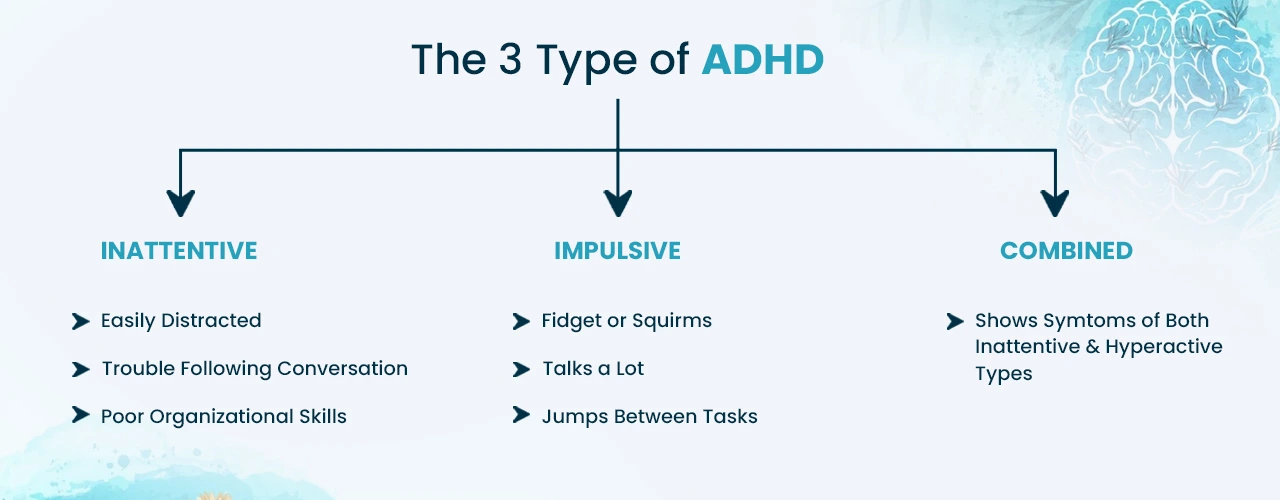
If you have ADHD you find yourself chronically under-stimulated, which causes your mind to wander and/or exert energy in an attempt to make your surroundings more stimulating. ADHD is typically diagnosed in three presentations or ADHD types:
- Inattentive – if you have trouble focussing and tend to drift off during classes, meetings, and even conversations, you’re not rude or uncaring, but seeking stimulation
- Hyperactive – if you have trouble sitting still, tend to blurt things out, or find yourself jumping from task to task, you’re not self-important but creating stimulation
- Combined – if you are sometimes inattentive and sometimes hyperactive, you’re not undisciplined but diverse in the way that you seek and create stimulation.
Step-by-Step ADHD Diagnosis Process
1. Initial Consultation
The first step is to talk to your family doctor or nurse practitioner about your symptoms. They can refer you to a specialist, such as a psychologist or psychiatrist. Many psychiatrists require a referral from your doctor, but psychologists often accept self-referrals. If you don’t have a family doctor or nurse practitioner, there are specialty clinics in Toronto that can provide the services and expertise you need.
2. Comprehensive Assessment
The specialist will conduct a thorough assessment, which may include interviews, questionnaires, and behavioral observations. They will review your medical history and ask about your performance at school or work. Frequently these assessments will include measures for anxiety, depression, and symptoms that frequently co-occur with ADHD. The ADHD assessments may even include questionnaires for someone who knows you well, such as your partner, to complete.
3. Evaluation of Symptoms
The assessment will evaluate various factors to determine if you have ADHD. This includes looking at symptoms such as inattention, hyperactivity, and impulsivity. ADHD can look differently in different people, so this process requires the clinical judgement and experience of someone who frequently works with ADHD clients.
4. Diagnosis
Based on the assessment, the specialist will determine if you have ADHD. They will discuss the diagnosis with you and outline potential treatment options. In Ontario, a diagnosis provides a legal foundation for school and workplace accommodations, which is why communicating a diagnosis is an act reserved to medical doctors, psychologists, and nurse practitioners.
5. Treatment Plan
Treatment often includes a combination of medication, coaching psychotherapy, and lifestyle changes. Your specialist will help you create a personalized treatment plan to manage your symptoms effectively. Many private practices have these resources in-house, which prevents delays and miscommunication because the members of your care team have access to your health record.
Resources in Toronto
There are several private practices that offer specialized ADHD assessment services in Toronto as well as online ADHD assessment. Their comprehensive approach includes detailed medical history assessments, follow-up questionnaires, and personalized treatment plans. They also provide support for managing ADHD symptoms and improving overall quality of life. Some offer both virtual and in-person options, for comfort and accessibility.
Everyday Tips for Managing ADHD Symptoms
- Stay Organized: Use planners, to-do lists, and reminders to keep track of tasks and appointments.
- Create Routines: Having a consistent daily routine can help manage symptoms.
- Break Tasks into Steps: Large tasks can be overwhelming. Breaking them into smaller steps makes them more manageable.
- Take Breaks: Short, frequent breaks can help maintain focus and reduce restlessness.
- Stay Accountable: Find a friend you can report accomplishment of tasks to, adding social support to your coping strategies.
Conclusion
Getting an ADHD diagnosis for young adults in Toronto involves a series of steps, from initial consultation to comprehensive assessment and diagnosis. With the right support and resources, managing ADHD symptoms and improving quality of life is achievable.
Look for a clinic that emphasizes ADHD but also offers support for concurrent conditions, since frequently an assessment for ADHD uncovers other complicating factors. Contact Us for ADHD Assessment today!
ADHD Types – A Complete Guide
ADHD (Attention-Deficit Hyperactivity Disorder) is a neurodevelopmental disorder that affects millions of people worldwide. It is characterized by persistent patterns of inattention, hyperactivity, and impulsivity that interfere with daily functioning and development. Understanding the different types of ADHD is crucial for accurate diagnosis and effective management of the disorder.
The Three Main ADHD Types
Predominantly Inattentive Presentation
- Symptoms: Difficulty sustaining focus, following instructions, and organizing tasks. Individuals may appear forgetful, easily distracted, or seem to daydream frequently.
- Diagnosis: This type is often diagnosed through a combination of behavioral observations, questionnaires, and interviews with the individual and their family or teachers.
- Management: Treatment may include behavioral therapy, organizational skills training, and sometimes medication to help improve focus and attention.
- Reasons to Address: People with inattentive ADHD are often mischaracterized as idle or lazy. Teachers, supervisors, and even friends and family can experience them as disrespectful because they do not sufficiently focus on what someone else is saying. This criticism can lead to cycles of anxiety (“Will I fail this class? Am I going to get fired?”) and depression (“Why does everyone look down on me? Why can’t I just pay attention to people?”).
Predominantly Hyperactive-Impulsive Presentation
- Symptoms: Excessive physical activity, restlessness, and impulsive behaviors. People with this type may have trouble sitting still, frequently interrupt others, and act without thinking about the consequences.
- Diagnosis: Similar to the inattentive type, diagnosis involves behavioral observations and interviews.
- Management: Treatment may include behavioral therapy, medication to help control hyperactivity and impulsivity, and strategies to manage restlessness.
- Reasons to Address: People with hyperactive patterns of behavior often speak out of turn or make rash decisions that are expensive in terms of time, money, and most importantly relationships. People with a hyperactive presentation of ADHD may take more risks, be subject to gambling addictions, and get into more car accidents.
Combined Presentation (Inattentive and Hyperactive-Impulsive)
- Symptoms: A mix of both inattentive and hyperactive-impulsive symptoms. This is the most common type of ADHD and presents challenges in both attention regulation and impulse control.
- Diagnosis: Diagnosis involves a comprehensive ADHD assessment that includes behavioral observations, questionnaires, and interviews1.
- Management: Treatment often includes a combination of behavioral therapy, organizational skills training, and medication to address both inattentive and hyperactive-impulsive symptoms.
- Reasons to Address: People with combined presentation of ADHD are often seen with suspicion by those close to them because of their inconsistency. They are sometimes incorrectly seen as moody, with a resultant shrinking of their social circle—which, sadly, can lead to lead to mood disorders, confirming the mistaken assumption of those around them!
Additional Subtypes of ADHD
Other ADHD subtypes have been proposed, and these terms, while outdated, may still be in circulation: hyperactivity-impulsivity.
- Inattentive ADHD: Primarily inattentive symptoms without significant hyperactivity or impulsivity.
- Hyperactive-Impulsive ADHD: Primarily hyperactive and impulsive symptoms without significant inattention.
- Over-Focused ADHD: Difficulty shifting attention from one task to another.
- Lack of Focus ADHD: Difficulty focusing on tasks and maintaining attention.
- Temporarily Normal Control ADHD: Symptoms that appear to be under control but can resurface under stress or other triggers.
- Sleep-Related ADHD: Symptoms that are exacerbated by poor sleep or sleep disorders.
Diagnosis and Assessment
Diagnosing ADHD typically involves a comprehensive online ADHD assessment that includes a detailed medical history, behavioral observations, and standardized questionnaires. The assessment may also involve interviews with family members, teachers, or colleagues to gather information about the individual’s behavior in different settings.
Treatment and Management
Treatment for ADHD often includes a combination of medication, behavioral therapy, and lifestyle changes. Medications such as stimulants (e.g., methylphenidate, amphetamine) and non-stimulants (e.g., atomoxetine) are commonly prescribed to help manage symptoms. These provide some of the stimulation that people with ADHD require, lessening the stimulation-seeking behaviors such as inattentiveness and hyperactivity. Behavioral therapy can help individuals develop coping strategies, improve organizational skills, and manage impulsive behaviors.
Are There Any Upsides to ADHD?
Many people with ADHD report benefits that remain even after medication and/or treatment with coaching and psychotherapy.
Some people with ADHD, especially the inattentive presentation, learn self-motivation and self-organization skills better than most people because feel a greater need to secure their abilities to complete tasks on time and as expected.
Other people with ADHD, especially the hyperactive presentation, report a better-than-average mental flexibility that makes them entertaining performers and conversationalists. Some credit their ADHD with giving them a heightened sense of creativity and originality.
Yet others with ADHD, especially the combined presentation, combine learned organizational skills and intuitive social skills and are seen as natural leaders, succeeding in community and commercial realms.
Conclusion
Understanding the different types of ADHD is essential for accurate diagnosis and effective management of the disorder. By recognizing the specific symptoms and challenges associated with each type, individuals and healthcare professionals can work together to create personalized treatment plans that address the unique needs of each person with ADHD.
How Do I Choose a Psychotherapist for ADHD?
You’ve been told by your doctor that you have ADHD, and your doctor has recommended that you get some support, preferably from a therapist who offers ADHD therapy in Toronto.
So you go on one of the major sites where therapists advertise, and you’re immediately overwhelmed with the sheer number of therapists. How are you ever going to choose? What do you look for? The lowest session fee? The best copywriting? The nicest smile?
Below is a brief guide to choosing a psychotherapist for ADHD.
What Is ADHD?
You’ve been told that you have ADHD, but you might not really know what it is. Don’t be embarrassed: some healthcare professionals are so overloaded that they may not feel they have the time to walk you through the mounds of online information to simplify the picture.
ADHD is an arrangement in your brain that keeps you on the hunt for stimulation more than the average person. It’s not a defect, but a physical condition just like height or eye color or being left-handed, and about 1 in 20 people are diagnosable as having ADHD.
This constant need for more stimulation typically shows up in one of two “presentations”: inattentive ADHDers find it hard to focus on what’s at hand, and mentally wander off in search of more interesting thoughts; hyperactive ADHDers act-out their boredom by impulsively spicing up their environments. (Combined ADHDers, by the way, do some of both.)
As you can guess, people with ADHD often have trouble executing routine tasks at school and work, even when they’re quite capable. We call this a deficit in executive functioning. That’s why some clinicians define ADHD as the chronic, problematic gap between intention and execution.
Non-ADHD people are often puzzled by ADHD behaviors. He seemed so enthusiastic about this. Why didn’t he finish? Or Sometimes he seems so mature, but other times he blurts out stuff like he’s in junior high! This misunderstanding can often lead to breakdowns in relationships—and the lack of connection can produce anxiety, depression and other not-so-fun-stuff.
Related: Daily Tips for Living With ADHD
Therapy for ADHD
There are several components to ADHD therapy: medication management, ADHD coaching, and ADHD-informed psychotherapy.
ADHD medications are various forms of stimulants aimed to provide the stimulation that the ADHDer is unconsciously, but constantly, seeking. These stimulants target the region of the brain where the neurodiversity is located, so that they do not jazz people up the way that caffeine or cocaine does. They also metabolize completely overnight, so there is little to no risk of physical addiction.
ADHD medications are largely effective for the majority of people who take them. That said, everybody is different. And everybody is different. As with any psychopharmacological intervention, the healthcare practitioner prescribing ADHD medications usually starts with the lowest dose that might be effective for a patient, and then increases the dosage gradually as needed until the patient feels more like themselves.
ADHD coaching is largely psychoeducational in nature. ADHDers are helped to catalogue their individual ADHD symptoms, and clinicians offer tried-and-true strategies to address these deficits. Coaching can target organization, sleep hygiene, interpersonal relationships, diet, exercise, and task execution.
ADHD-informed psychotherapy addresses co-occurring or resultant challenges, such as anxiety, depression, and obsessive-compulsive disorder. Even victims of trauma can be better helped by therapists who bring an understanding of ADHD to their work. ADHD-informed therapists often report their clients asking, “Is my behavior the ADHD talking or is it something else?”
How to Find an ADHD Psychotherapist
If you are looking for ADHD therapy in Toronto (or throughout Ontario by means of telehealth), there are some things that would serve you well to keep in mind.
- Therapists who are serious about ADHD will be certified in ADHD. Certification typically requires a combination of education, experience with ADHD clients, and clinical supervision by therapists more experienced working with ADHD. There is a lot of confusing information out there. Make sure your therapist has done more than read a book about ADHD before they start treating you.
- Therapists who are serious about ADHD will be connected to other therapists who are serious about ADHD. Make sure your therapist can name some other therapists they routinely consult with about ADHD and their work with ADHD clients. All therapists have blind spots. Regular consultation about their client work is critical to therapists seeing the whole picture… of you!
- Therapists who are serious about ADHD will probably be part of a practice that specializes in ADHD. Look for the “bench strength” of the practice your therapist is part of. Are there other ADHD-informed therapists? Does the practice offer assessment and diagnosis services? Is there anyone qualified to do medication management?
Do some homework. Kick the tires. Ask straightforward questions and engage a serious ADHD professional as soon as you’re ready. A better life is just ahead.