
Online vs. In-person ADHD Diagnosis: Which is Right for You?
Living with ADHD can significantly impact your daily life, making it essential to seek a proper diagnosis and treatment plan. With the rise of telemedicine, many are now weighing the benefits of online and in-person ADHD assessments.
While online options offer convenience and accessibility, in-person evaluations may provide a more comprehensive clinical picture. Each approach has its own advantages and drawbacks, so understanding the differences between online and in-person ADHD evaluations can help you decide which path best fits your needs and lifestyle.
Understanding ADHD Diagnosis
ADHD (Attention-Deficit/Hyperactivity Disorder) is a neurodevelopmental disorder that affects attention, impulsivity, and hyperactivity. Diagnosing ADHD involves a comprehensive evaluation that includes medical history, symptom checklists, interviews, and sometimes psychological testing.
Online ADHD Diagnosis- As telehealth services are expanding, the demand for online ADHD diagnoses is increasing. This is a more reachable way for many individuals, as people can get their virtual assessments from a licensed professional from the comfort of their home. This process reduces hurdles like prolonged wait times and travelling a long distance.
Though this approach is convenient, it is still crucial to understand what its pros and cons are and how online ADHD Testing compare in accuracy and depth to traditional in-person methods.
Pros:
Convenience: Online assessments allow you to complete evaluations from the comfort of your home.
Accessibility: Ideal for individuals in remote areas or those with limited transportation options.
Speed: Online services can often offer quicker appointment availability and faster results.
Cons:
Limited Interaction: Without face-to-face interaction, only experienced clinicians will pick up on subtle behavioural cues.
Quality Variability: Not all online providers offer comprehensive evaluations, which can affect the accuracy of the diagnosis.
Insurance Coverage: Some online services may not be covered by insurance.
In-Person ADHD Diagnosis – In-person ADHD diagnoses are one of the most credible and inclusive approaches for people who want clarity about their symptoms. This assessment includes personal interaction and personality assessment. In this approach, inputs are given from family or teachers, which is an essential component of ADHD testing. Though this process is time-consuming and requires more effort to schedule, it still offers a profound and more tailored understanding of the requirements of patients.
Comprehensive Evaluation: Clinicians can observe body language and other non-verbal cues during in-person assessments.
Collaboration: Easier to involve family members, teachers, or others who can provide additional insights.
Insurance Coverage: In-person diagnoses are more likely to be accepted by insurance providers and schools.
Time-Consuming: Scheduling appointments may take longer, with additional time needed for travel.
Accessibility Challenges: It may be difficult for those in rural areas or with limited mobility.
Higher Costs: In-person evaluations can be more expensive, especially without insurance coverage.
Related Post: ADHD vs. OCD: Why You’re Hyper-Focus
Which Option Is Right for You?
The decision between online and in-person ADHD diagnosis depends on your personal needs, resources, and comfort level. If convenience and accessibility are top priorities, an online assessment may be the best fit. However, if you prefer a more thorough evaluation with greater clinician interaction, an in-person diagnosis may be the better choice.
While contemplating your choices, you may ponder how long does it take to diagnose ADHD, but this actually varies on some factors like the availability of the provider, the thorough approach and the depth of the assessment process. Regardless of the option you choose, ensure the provider is registered to work in Ontario, experienced, and follows established clinical guidelines for ADHD diagnosis.
Final Thoughts
ADHD diagnosis is a critical first step toward managing symptoms and improving quality of life. Whether you choose an free ADHD quiz or an in-person evaluation, choosing the right diagnostic path can set you on the journey toward better understanding and care.
Let Us Help You
Choosing between online and in-person ADHD testing can be a daunting task, but we have got your back. We will help you choose the right fit for you. At So You Need Therapy, you will get the support to make the right decision that aligns with your unique goals and needs. Whether you want meticulous in-person care or the flexibility of virtual sessions, our experienced team from Toronto is always ready to accompany you.
We provide specialised attention for individuals, couples and families for ADHD, personality disorders, and complex trauma and make sure you receive a thorough and customised assessment tailored to your needs. If you are ready to proceed further in your journey to mental health, contact So You Need Therapy today at (416.755.7206) and meet our therapists today. Our professionals are always ready to provide you with a purposeful life, where you can live on your own terms.
The Best & Worst Sleep Habits for Adults with ADHD
Adults with ADHD often face a unique set of challenges when it comes to
getting a good night’s sleep. The relationship between ADHD and sleep
problems is complex, and individuals with ADHD may struggle with falling
asleep, staying asleep, or waking up feeling rested. Understanding how ADHD
affects sleep can help improve sleep hygiene and overall health. In this
blog, we’ll explore the best and worst sleep habits for adults with ADHD,
highlighting ways to foster better sleep and tips to avoid detrimental
habits.
How ADHD Affects Sleep
ADHD, or Attention-Deficit/Hyperactivity Disorder, affects individuals in
many ways, including sleep patterns. Research has shown that adults with
ADHD experience higher rates of insomnia, restlessness, and difficulty
maintaining a regular sleep schedule. The core symptoms of ADHD, such as
impulsivity, hyperactivity, and difficulty with attention regulation, can
interfere with the body’s natural sleep-wake cycle.
In particular, the following factors play a significant role in
how ADHD impacts sleep:
-
Hyperactivity and Restlessness: The inability to “turn
off” the brain or body at night can make it difficult for individuals with
ADHD to fall asleep. -
Difficulty with Regulation of Sleep-wake Cycle: People
with ADHD may struggle with maintaining a consistent bedtime routine or
sleep schedule. -
Overactive Mind: Racing thoughts, worrying, or feeling
overstimulated often disrupt the ability to relax before bed. -
Medications: Some ADHD medications, especially
stimulants, can impact sleep, causing difficulties in falling asleep or
waking up frequently throughout the night.
Now, let’s take a closer look at the sleep habits that are either beneficial
or harmful for adults with ADHD.
The Best Sleep Habits for Adults with ADHD
1. Create a Consistent Sleep Schedule
One of the best ways to improve sleep for individuals with ADHD is by
establishing a consistent sleep routine. Going to bed and waking up at the
same time every day helps regulate the body’s internal clock, signaling to
your brain when it’s time to wind down. Consistency is key, so even on
weekends, try to maintain a similar schedule to avoid disrupting your body’s
sleep-wake rhythm.
2. Implement a Relaxing Bedtime Routine
Adults with ADHD often find it difficult to wind down at night. Creating a
relaxing pre-bedtime routine is essential. Engage in calming activities such
as reading a book, listening to soothing music, or practicing deep breathing
exercises. Avoid stimulating activities, such as watching intense TV shows
or using electronic devices, as they can keep your mind active when it
should be winding down.
3. Limit Stimulants Before Bed
Caffeine and nicotine are both stimulants that can interfere with sleep.
Adults with ADHD should avoid consuming these substances at least six hours
before bedtime. Instead, opt for decaffeinated drinks or herbal teas known
for their calming properties, such as chamomile or valerian root.
Improve Your Sleep With ADHD Support
Struggling with ADHD and sleep? Get expert support to build healthier sleep habits.
4. Create an ADHD-Friendly Sleep Environment
A sleep-friendly environment plays a crucial role in promoting better rest. Make sure your bedroom is dark, cool, and quiet. Consider using blackout curtains, earplugs, or a white noise machine to block out distractions. Decluttering your sleep space can also help reduce visual distractions and create a calming atmosphere that encourages relaxation.
5. Exercise Regularly
Exercise is an excellent way to release excess energy, reduce stress, and promote better sleep. However, timing is important. Aim to complete any vigorous exercise earlier in the day, as working out too close to bedtime can have the opposite effect by making you feel more alert. Try to follow ADHD lifestyle and activities like yoga or walking in the evening to wind down without overstimulating your body.
The Worst Sleep Habits for Adults with ADHD
1. Inconsistent Sleep Schedule
For individuals with ADHD, an irregular sleep schedule can worsen sleep problems. Frequently changing your bedtime or wake-up time disrupts your body’s circadian rhythm, making it harder to get quality rest. Over time, this can lead to sleep deprivation, worsened ADHD symptoms, and difficulty concentrating during the day.
2. Excessive Use of Electronics Before Bed
Using electronics such as smartphones, laptops, or TV before bed is one of the worst habits for anyone struggling with sleep. For individuals with ADHD, the temptation to check social media or engage with digital content can make it even harder to unwind. The blue light emitted by screens interferes with melatonin production, which is the hormone responsible for regulating sleep. Use a blue light filter or even avoid screens for at least an hour before bed.
3. Napping During the Day
While naps may seem like a quick fix for feeling tired, they can actually worsen sleep at night, especially for adults with ADHD. Long or late afternoon naps can make it harder to fall asleep at your regular bedtime. If you do need a nap, try to limit it to 20-30 minutes earlier in the day, which can refresh you without affecting your ability to sleep at night.
4. Poor Sleep Environment
A cluttered or uncomfortable sleep environment can lead to restless nights and exacerbate ADHD symptoms. If your room is too bright, noisy, or chaotic, your ability to fall asleep and stay asleep may be hindered. Creating a calm and comfortable environment is essential for good sleep hygiene. Make sure your mattress, pillows, and sheets are comfortable and that your room is conducive to sleep.
5. Taking Stimulants Too Late in the Day
Many adults with ADHD take stimulant medications to manage their symptoms. However, taking these medications too late in the day can have a negative impact on sleep. Stimulants can make you feel more alert and restless, which can make falling asleep difficult. If you take stimulant medications, work with your healthcare provider to adjust the timing of your doses to avoid disrupting your sleep schedule.
Conclusion
Sleep is essential for everyone, but it is especially important for adults with ADHD who already face challenges with attention, focus, and emotional regulation. By adopting the right sleep habits—such as creating a consistent sleep routine, avoiding stimulants before bed, and creating a calm sleep environment—you can improve both your sleep quality and overall well-being. On the flip side, avoiding the worst habits, like irregular sleep schedules and excessive screen time, will help you get the restful sleep your body and mind need to thrive.
For adults with ADHD, sleep problems are common, but they are not insurmountable. With the right strategies and mindfulness, you can reclaim your nights and enjoy the restful sleep that is crucial for managing ADHD symptoms effectively.
If you’re struggling with ADHD-related sleep issues, consider speaking to a healthcare professional or ADHD specialist to get tailored advice and support.
An ADHD Therapist’s Guide to Overcoming Emotional Challenges
As a Therapist With ADHD, Here’s What I Suggest to My Clients for Addressing Emotional Challenges.
Living with ADHD presents unique emotional challenges, from intense emotions and frustration to struggles with self-esteem. As an ADHD therapist with firsthand experience, I understand how overwhelming it can be. However, through both personal experience and professional expertise, I’ve developed strategies to help my clients navigate these challenges effectively.
Top ADHD management tips for addressing emotional difficulties
1. Understand Your Emotional PatternsPeople with ADHD often experience emotional dysregulation, where feelings can escalate quickly and intensely. Identifying emotional triggers is crucial. Keep a journal to track your emotional responses, noting what events or thoughts contribute to strong emotions. Over time, patterns will emerge, allowing you to anticipate and better manage emotional reactions.
2. Practice Mindful AwarenessMindfulness can be a game-changer for individuals with ADHD. Learning to observe emotions without immediately reacting helps create a pause between feeling and response. Simple practices such as deep breathing, grounding techniques, or body scans can help regulate emotions before they become overwhelming.
Negative self-talk is common among individuals with ADHD, often leading to low self-esteem and self-doubt. As an ADHD therapist, my advice is to challenge these thoughts with factual evidence. Instead of thinking, “I always mess things up,” reframe it as, “I made a mistake, but I can learn from it.” Practicing self-compassion and replacing self-criticism with encouragement can significantly improve emotional resilience.
4. Develop Healthy Coping StrategiesHaving a set of go-to ADHD daily life coping strategies can help manage emotional ups and downs. Engaging in creative outlets like writing, painting, or playing music can serve as an emotional release. Physical movement, such as stretching or walking, also helps regulate mood by reducing stress hormones. Consider putting this list in some place that is easy to access, such as your phone.
5. Use External Reminders for Emotional Check-InsMany individuals with ADHD struggle with self-awareness regarding their emotions. Setting reminders on your phone to check in with how you’re feeling throughout the day can provide valuable insight. This small habit can help you catch emotional shifts before they spiral out of control. If struggling with time and task-completion is an issue for you, consider setting your phone or smart watch to vibrate every fifteen minutes: task completion leads to improved self-esteem and motivation which in turn leads to greater capacity for self-soothing.
6. Create a Support SystemEmotional challenges feel less overwhelming when you have a reliable support system. Whether it’s family, friends, support groups, or therapy, talking about emotions with someone who understands can provide relief. In my therapist ADHD perspective, having a network that acknowledges and validates your experiences fosters emotional stability. If you can negotiate with each member of your support team how (call? text? DM?) they like to be contacted and when (daytime? Evening? Weekends?).
7. Regulate Your EnvironmentExternal stimuli play a significant role in emotional regulation. A cluttered or chaotic space can contribute to stress and frustration. Putting things away in drawers and cupboards can reduce distraction. Creating a structured, calming environment can help prevent emotional overload. Consider using noise-canceling headphones, fidget tools, or designated “calm spaces” for decompressing.
8. Establish Predictable RoutinesUncertainty and inconsistency can heighten emotional distress for individuals with ADHD. Establishing predictable daily routines provides a sense of stability. Using planners, to-do lists, or digital reminders can help maintain organization and reduce stress-induced emotional outbursts. If you live with others, see if you can first find some agreement when you will be in the kitchen, in the bathroom, and so on.
9. Seek Professional Guidance When NeededIf emotional challenges feel unmanageable, seeking professional support is a wise step. Therapy, ADHD coaching, or joining specialized support groups can provide tailored strategies and a sense of community. Find the ADHD therapists who can offer guidance on emotional regulation techniques and coping mechanisms suited to your specific needs.
10. Practice Self-Care Without GuiltSelf-care is not a luxury; it’s essential for emotional well-being. Many people with ADHD feel guilty for taking breaks, but rest and self-care enhance productivity and emotional stability. Engaging in activities that recharge you—whether it’s listening to music, taking a bath, or spending time in nature—helps prevent emotional burnout.
What makes the team at So You Need Therapy qualified to treat ADHD effectively?
The So You Need Therapy team includes experienced professionals like registered psychotherapists and nurse practitioners who specialize in ADHD management using evidence-based strategies like emotional pattern tracking, mindfulness, cognitive reframing, and structured routines. Their expertise in ADHD-specific challenges allows them to provide personalized, practical support. With a focus on emotional regulation, coping strategies, and self-care, they empower individuals with ADHD to manage symptoms and build long-term emotional resilience.
Final Thoughts
Managing emotions with ADHD can be challenging, but with the right strategies, it’s entirely possible to develop resilience and emotional balance. By understanding emotional patterns, practicing mindfulness, building support systems, and implementing healthy routines, individuals with ADHD can navigate their emotions more effectively. As an ADHD therapist, my advice is to approach emotional management with patience and self-compassion. Small, consistent efforts will lead to meaningful improvements over time.
What’s the Timeline for Diagnosing ADHD?
Diagnosing ADHD can be a complex process that varies from person to person. The time required for an ADHD diagnosis depends on several factors, including the thoroughness of the evaluation, the availability of healthcare professionals, and the individual’s unique symptoms. Understanding the ADHD evaluation process can help manage expectations and ensure a smoother diagnostic journey.
Key Factors That Influence the Time for diagnosing ADHD
Several key factors impact how long it takes to diagnose ADHD, including
- Age of the Individual: Diagnosis in children may be quicker due to structured school observations, whereas adults may take longer to receive a formal diagnosis.
- Severity of Symptoms: More pronounced symptoms may lead to faster recognition and diagnosis.
- Healthcare Availability: The waiting time for ADHD evaluations varies by location, with some regions having longer waitlists for specialists.
- Comorbid Conditions: If an individual has coexisting conditions such as anxiety or depression, it may take longer to distinguish ADHD from other disorders.
- Parental and Teacher Reports: For children, input from teachers and parents can either expedite or delay the process, depending on how quickly observations are gathered.
Steps in the ADHD Diagnosis Process
The ADHD evaluation process typically involves multiple steps to ensure an accurate diagnosis:
- Initial Consultation: A primary care physician or mental health professional conducts an initial assessment based on symptoms and history.
- Behavioral Questionnaires and Interviews: Standardized ADHD rating scales, such as the Conners Rating Scale, are used to gather input from parents, teachers, or self-reports.
- Medical and Psychological Evaluation: A thorough evaluation helps rule out other conditions that might mimic ADHD symptoms.
- Observational Reports: For children, teachers’ reports and classroom observations are crucial in confirming ADHD-related behaviors.
- DSM-5 Criteria Assessment: The diagnosis is confirmed based on criteria from the Diagnostic and Statistical Manual of Mental Disorders (DSM-5), ensuring that symptoms persist for at least six months and affect multiple areas of life.
Average Time for ADHD Diagnosis
On average, the ADHD diagnosis process can take anywhere from a few weeks to several months. The exact duration depends on factors like healthcare system efficiency, access to specialists, and the complexity of symptoms. In some cases, individuals may receive a preliminary diagnosis quickly, but additional assessments might be required for confirmation.
Why ADHD Diagnosis May Take Longer
Several factors can contribute to delays in diagnosing ADHD:
- Limited Access to Specialists: In countries like Canada, long wait times for ADHD evaluations can delay the diagnostic process significantly.
- Overlapping Symptoms: Conditions such as anxiety, depression, and learning disabilities can make ADHD harder to diagnose.
- Incomplete Information: Delays in gathering teacher reports, parental observations, or previous medical records can slow down the process.
- Age-Related Challenges: ADHD diagnosis in adults may take longer due to the lack of childhood records and the need for retrospective symptom assessment.
Tips to Speed Up the Diagnosis Process
To expedite the ADHD evaluation process, consider the following tips:
- Prepare a Symptom Journal: Keeping track of symptoms, triggers, and their impact on daily life can provide valuable insights for the evaluation.
- Gather Supporting Documents: Collect school records, work evaluations, and past medical assessments to provide a comprehensive history.
- Seek Private Evaluations: In places with long waitlists, private ADHD testing can be an alternative to accelerate the process.
- Follow Up Regularly: Regularly checking in with healthcare providers ensures that your case remains a priority.
- Be Proactive with Insurance and Referrals: If applicable, verify insurance coverage and obtain necessary referrals in advance.
Public and Private Healthcare Options
One of the key considerations when seeking an ADHD assessment and diagnosis is whether to work with publicly funded healthcare services or to opt for private healthcare alternatives. While in most provinces your family practitioner, whether a medical doctor or nurse practitioner, is permitted to assess and diagnose someone with ADHD. All healthcare professionals, however, are required to consider whether they are genuinely qualified to do this.
Your doctor or nurse practitioner may feel that without specialized training they are not prepared to assist you with this process and opt to refer you to a specialist such as a publicly funded psychologist. This process has the benefit of starting with someone familiar with your medical history, but it may be more than six months before you have an appointment with the psychologist or psychotherapist. On the other hand, a private clinic will cost you anywhere from $600 to $2500 but be completed in a week or two.
Conclusion
The time required for an ADHD diagnosis varies based on individual circumstances and healthcare system constraints. While some may receive a diagnosis within weeks, others might experience delays due to specialist availability, comorbid conditions, or administrative hurdles. Understanding the ADHD evaluation process and taking proactive steps can help streamline the journey toward diagnosis and treatment. If you suspect ADHD, seeking an assessment as soon as possible can lead to earlier intervention and improved quality of life.
What Are the Symptoms of Depression, ADHD, and Anxiety?
Mental health conditions such as depression, ADHD (Attention-Deficit/Hyperactivity Disorder), and anxiety can significantly impact daily life. While each disorder has distinct characteristics, there can also be overlapping symptoms, making it challenging to differentiate between them. Understanding their unique and shared symptoms can help individuals seek the right treatment and support.
Symptoms of Depression
Depression is more than just feeling sad—it is a serious mood disorder that affects how a person thinks, feels, and behaves. Common symptoms of depression include:
- Persistent sadness or a feeling of emptiness
- Loss of interest or pleasure in activities once enjoyed
- Fatigue and low energy levels
- Difficulty concentrating or making decisions
- Changes in appetite and weight (either loss or gain)
- Sleep disturbances (insomnia or excessive sleeping)
- Feelings of worthlessness or excessive guilt
- Physical symptoms such as headaches or body aches with no clear cause
- Thoughts of death or suicide
Depression can vary in severity, and its symptoms can last for weeks, months, or even years if left untreated.
Symptoms of ADHD
ADHD is a neurodevelopmental disorder commonly diagnosed in childhood, but it can persist into adulthood. It is characterized by persistent patterns of inattention, hyperactivity, and impulsivity. Symptoms include:
Inattention Symptoms:
- Difficulty staying focused on tasks
- Frequently losing items such as keys, phone, or documents
- Making careless mistakes and struggling with details
- Easily distracted by external stimuli
- Trouble organizing tasks and time management
Hyperactivity and Impulsivity Symptoms:
- Constant fidgeting or restlessness
- Difficulty staying seated in situations where it is expected
- Talking excessively or interrupting conversations
- Impulsive decision-making without considering consequences
- Difficulty waiting for turns or following rules
While ADHD is often associated with children, many adults experience similar symptoms, which can affect their work, relationships, and daily functioning.
Also Read: ADHD and Marriage: How to Support Your Partner Effectively?
Symptoms of Anxiety
Anxiety disorders involve excessive worry or fear that interferes with daily life. There are various types of anxiety disorders, including generalized anxiety disorder (GAD), panic disorder, and social anxiety disorder. Common symptoms include:
- Persistent and excessive worry about various aspects of life
- Restlessness or feeling on edge
- Rapid heartbeat or palpitations
- Sweating, trembling, or shortness of breath
- Difficulty concentrating due to anxious thoughts
- Trouble sleeping or frequent nightmares
- Gastrointestinal issues such as nausea or stomach pain
- Avoidance of situations that trigger anxiety
Anxiety symptoms can range from mild to severe and may fluctuate based on life circumstances or stress levels.
Overlap in Symptoms
Since depression, ADHD and anxiety can share some symptoms, distinguishing between them can be difficult. Common overlapping symptoms include:
- Difficulty concentrating (seen in both depression and ADHD)
- Restlessness and trouble sleeping (common in anxiety, ADHD, and depression)
- Fatigue and low energy (found in depression and anxiety)
- Irritability (can occur in all three conditions)
A professional evaluation is necessary to determine which condition (or combination of conditions) a person may have. Co-occurring disorders are common, meaning an individual can experience depression, ADHD, and anxiety simultaneously.
Treatment and Management Options
Effective treatment varies depending on the specific disorder and its severity. Common approaches include:
- Therapy: Psychotherapy is beneficial for managing depression, anxiety, and aspects of ADHD by helping individuals change negative thought patterns and develop coping strategies.
- Medication: Antidepressants (for depression and anxiety), stimulants or non-stimulant medication (for ADHD), and anti-anxiety medications may be prescribed by healthcare professionals.
- Lifestyle Changes: Regular exercise, a balanced diet, mindfulness techniques, and proper sleep hygiene can improve symptoms for all three conditions.
- Support Systems: Seeking help from friends, family, or support groups can provide emotional support and encouragement.
When to Seek Help
If symptoms of depression, ADHD, or anxiety interfere with daily life, it is essential to seek professional help. Warning signs that indicate the need for immediate attention include:
- Persistent sadness or suicidal thoughts
- Extreme difficulty functioning at work, school, or in relationships
- Frequent panic attacks or overwhelming anxiety
- Unmanageable impulsivity leading to risky behaviors
Mental health conditions are treatable, and seeking professional guidance is the first step toward recovery. Look for depression therapy near your location in Toronto.
If you or someone you know is struggling, reaching out to a therapist or healthcare provider can lead to effective treatment and a better quality of life.
Conclusion
Understanding the symptoms of depression, ADHD, and anxiety can help individuals identify their struggles and seek appropriate care. While these conditions share some symptoms, they require different approaches to treatment. Consulting a healthcare professional can help ensure a proper diagnosis and a personalized treatment plan, leading to a healthier and more balanced life. Book a therapist today!
What Is the Difference Between ADHD and Anxiety?
Living with mental health challenges can be confusing, especially when symptoms of different conditions overlap. Two such conditions, Attention Deficit Hyperactivity Disorder (ADHD) and anxiety, often coexist and share similar traits, making it difficult to distinguish between them. According to Health.com, approximately 4% of adults and 11% of children live with ADHD, while anxiety affects around 19% of adults and 7% of children. Understanding their differences is key to effective management and treatment.
What Is ADHD?
ADHD is a neurodevelopmental condition characterized by persistent patterns of inattention, hyperactivity, and/or impulsivity. These symptoms can significantly impact daily functioning, relationships, and productivity. ADHD is commonly diagnosed in childhood, but many adults live with undiagnosed ADHD, navigating life without fully understanding their challenges.
Key symptoms of ADHD include:
- Persistent worry or fear that is difficult to control
- Physical symptoms such as rapid heartbeat, sweating, or trembling
- Avoidance of situations that trigger anxiety
- Difficulty sleeping or concentrating due to worry
What Is Anxiety?
Anxiety is a mental health condition marked by excessive worry, fear, or nervousness. While occasional anxiety is a normal response to stress, chronic anxiety can interfere with daily life. Anxiety disorders come in various forms, including generalized anxiety disorder (GAD), social anxiety, and panic disorder.
Key symptoms of anxiety include:
- Persistent worry or fear that is difficult to control
- Physical symptoms such as rapid heartbeat, sweating, or trembling
- Avoidance of situations that trigger anxiety
- Difficulty sleeping or concentrating due to worry
Overlapping Symptoms of ADHD and Anxiety
ADHD and anxiety in Adults can share some common symptoms, leading to potential misdiagnosis or confusion. Overlapping symptoms include:
- Difficulty concentrating: Both conditions can impair focus, but for different reasons. ADHD causes inattention due to distractibility, while anxiety disrupts focus because of excessive worry.
- Restlessness: Individuals with ADHD may feel physically restless, while those with anxiety often experience internal restlessness or agitation.
- Sleep disturbances: Trouble falling or staying asleep can occur in both conditions, though the underlying causes differ.
Key Differences Between ADHD and Anxiety
While ADHD and anxiety share similarities, their core characteristics and triggers set them apart:
Nature of Symptoms:
- ADHD is primarily a disorder of attention regulation and impulse control. Symptoms are constant and not tied to specific situations.
- Anxiety is situational and often triggered by specific fears or stressors, such as social interactions or performance-related tasks.
Emotional Triggers:
- ADHD symptoms are not typically caused by emotional stress but are part of the individual’s baseline functioning.
- Anxiety symptoms are directly linked to worry or fear about certain events or outcomes.
Response to Environment:
- ADHD symptoms may improve in highly stimulating or engaging environments.
- Anxiety symptoms are often exacerbated in high-pressure or unfamiliar settings.
Coexisting ADHD and Anxiety
It’s not uncommon for individuals to experience both ADHD and anxiety simultaneously. This comorbidity can complicate diagnosis and treatment, as the symptoms of one condition may amplify the other. For example, untreated ADHD can lead to chronic stress, which in turn triggers anxiety. Thus, before much detoriation occurs, it is necessary to consult any Toronto Psychotherapist, to hold the leash of your lifestyle and stay connected with your core.
Managing ADHD and Anxiety
Effective management of ADHD in Adults and anxiety often requires a combination of strategies tailored to the individual’s needs. Here are some approaches:
Professional Diagnosis and Treatment:
- Consult a mental health professional to determine whether you’re dealing with ADHD, anxiety, or both. A thorough ADHD assessment is essential for accurate diagnosis.
- Treatment options may include medication, therapy, or a combination of both. Stimulants and non-stimulants are commonly prescribed for ADHD, while anxiety may be treated with antidepressants or anti-anxiety medications.
- If you based in Canada, visit any Toronto psychotherapist to get thorough assessments, accurate diagnosis, and medication support to get back the control of your life.
Cognitive Behavioral Therapy (CBT):
CBT is highly effective for managing anxiety and can also help individuals with ADHD develop better organizational and time-management skills.
Lifestyle Changes:
- Regular exercise, a healthy diet, and sufficient sleep can improve overall mental health and reduce symptoms of both conditions.
- Mindfulness practices, such as meditation and deep breathing, can help manage anxiety and improve focus.
Creating Structure:
- For adults with ADHD, establishing routines and using tools like planners or apps can help manage disorganization and forgetfulness.
- Identifying anxiety triggers and developing coping strategies can reduce the frequency and intensity of anxious episodes.
Living with ADHD and Anxiety
Living with ADHD and anxiety can be challenging, but with the right support and strategies, it is possible to thrive. Educating yourself about these conditions, seeking professional help, and building a strong support network are critical steps in managing your mental health. Remember, you are not alone. Many people face similar challenges and have successfully navigated them. By understanding the differences between ADHD and anxiety and implementing effective management techniques, you can know the difference between these two symptoms and implement effective management techniques to control your mental health. and lead a fulfilling life.
When to Seek Care and Who to Contact
While some symptoms can be manageable with self-care and structure, it’s crucial to seek professional help when they reach a peak or begin interfering significantly with daily life. If your inattention, impulsivity, or anxiety feels overwhelming, what some may describe as reaching a “zenith”, it’s time to consult a specialist. If you’re based in Canada, a Toronto psychotherapist can provide targeted support. So You Need Therapy is a mental health clinic where registered psychotherapists offer professional assessments, accurate diagnoses, and long-term care for conditions like ADHD and anxiety. Early intervention can make a significant difference. Whether your symptoms are new or have persisted for years, connecting with the right mental health professional can set you on the path to clarity, stability, and well-being.
How to get ADHD Diagnosis for Young Adults?
People are becoming more and more familiar with ADHD. Fortunately, the stigma of being assessed and diagnosed with ADHD is fading with growing public awareness.
In fact, most people who receive an ADHD diagnosis find it a great relief. Years of living with undiagnosed ADHD has often subjected people with ADHD to inappropriate criticism and characterization. Just knowing that you have a condition that is something you were born with and that is not your fault can end a cycle of self-shaming that far too many have experienced.
Getting an ADHD diagnosis young adults in Toronto involves several steps. Here’s a comprehensive guide to help you navigate the process:
Understanding ADHD in Young Adults
ADHD (Attention-Deficit Hyperactivity Disorder) is a neurodevelopmental disorder that affects attention, impulsivity, and hyperactivity. Symptoms can include difficulty focusing, forgetfulness, restlessness, and impulsive behavior
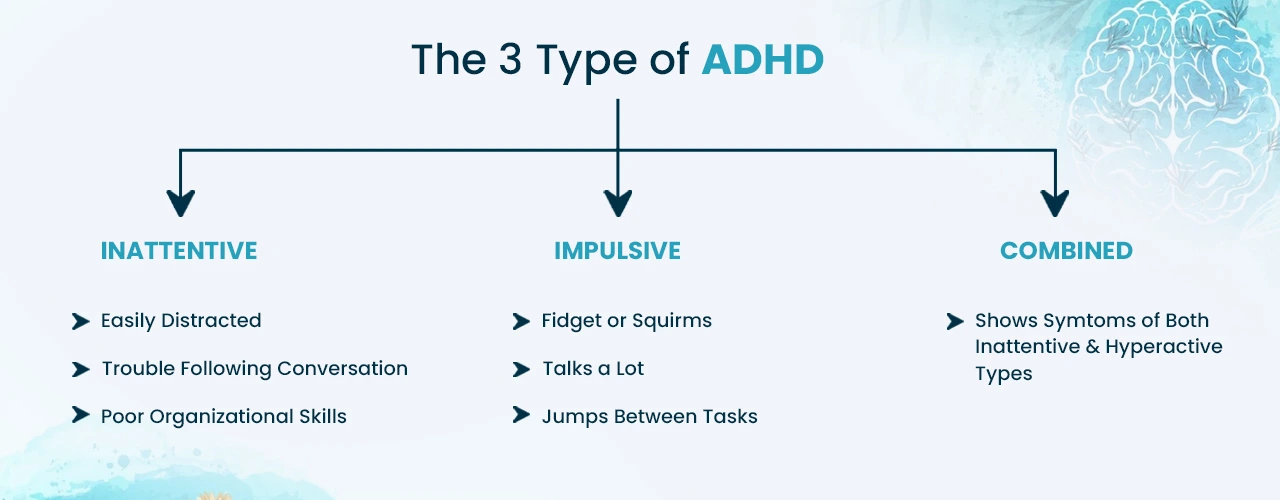
If you have ADHD you find yourself chronically under-stimulated, which causes your mind to wander and/or exert energy in an attempt to make your surroundings more stimulating. ADHD is typically diagnosed in three presentations or ADHD types:
- Inattentive – if you have trouble focussing and tend to drift off during classes, meetings, and even conversations, you’re not rude or uncaring, but seeking stimulation
- Hyperactive – if you have trouble sitting still, tend to blurt things out, or find yourself jumping from task to task, you’re not self-important but creating stimulation
- Combined – if you are sometimes inattentive and sometimes hyperactive, you’re not undisciplined but diverse in the way that you seek and create stimulation.
Step-by-Step ADHD Diagnosis Process
1. Initial Consultation
The first step is to talk to your family doctor or nurse practitioner about your symptoms. They can refer you to a specialist, such as a psychologist or psychiatrist. Many psychiatrists require a referral from your doctor, but psychologists often accept self-referrals. If you don’t have a family doctor or nurse practitioner, there are specialty clinics in Toronto that can provide the services and expertise you need.
2. Comprehensive Assessment
The specialist will conduct a thorough assessment, which may include interviews, questionnaires, and behavioral observations. They will review your medical history and ask about your performance at school or work. Frequently these assessments will include measures for anxiety, depression, and symptoms that frequently co-occur with ADHD. The ADHD assessments may even include questionnaires for someone who knows you well, such as your partner, to complete.
3. Evaluation of Symptoms
The assessment will evaluate various factors to determine if you have ADHD. This includes looking at symptoms such as inattention, hyperactivity, and impulsivity. ADHD can look differently in different people, so this process requires the clinical judgement and experience of someone who frequently works with ADHD clients.
4. Diagnosis
Based on the assessment, the specialist will determine if you have ADHD. They will discuss the diagnosis with you and outline potential treatment options. In Ontario, a diagnosis provides a legal foundation for school and workplace accommodations, which is why communicating a diagnosis is an act reserved to medical doctors, psychologists, and nurse practitioners.
5. Treatment Plan
Treatment often includes a combination of medication, coaching psychotherapy, and lifestyle changes. Your specialist will help you create a personalized treatment plan to manage your symptoms effectively. Many private practices have these resources in-house, which prevents delays and miscommunication because the members of your care team have access to your health record.
Resources in Toronto
There are several private practices that offer specialized ADHD assessment services in Toronto as well as online ADHD assessment. Their comprehensive approach includes detailed medical history assessments, follow-up questionnaires, and personalized treatment plans. They also provide support for managing ADHD symptoms and improving overall quality of life. Some offer both virtual and in-person options, for comfort and accessibility.
Everyday Tips for Managing ADHD Symptoms
- Stay Organized: Use planners, to-do lists, and reminders to keep track of tasks and appointments.
- Create Routines: Having a consistent daily routine can help manage symptoms.
- Break Tasks into Steps: Large tasks can be overwhelming. Breaking them into smaller steps makes them more manageable.
- Take Breaks: Short, frequent breaks can help maintain focus and reduce restlessness.
- Stay Accountable: Find a friend you can report accomplishment of tasks to, adding social support to your coping strategies.
Conclusion
Getting an ADHD diagnosis for young adults in Toronto involves a series of steps, from initial consultation to comprehensive assessment and diagnosis. With the right support and resources, managing ADHD symptoms and improving quality of life is achievable.
Look for a clinic that emphasizes ADHD but also offers support for concurrent conditions, since frequently an assessment for ADHD uncovers other complicating factors. Contact Us for ADHD Assessment today!
ADHD Types – A Complete Guide
ADHD (Attention-Deficit Hyperactivity Disorder) is a neurodevelopmental disorder that affects millions of people worldwide. It is characterized by persistent patterns of inattention, hyperactivity, and impulsivity that interfere with daily functioning and development. Understanding the different types of ADHD is crucial for accurate diagnosis and effective management of the disorder.
The Three Main ADHD Types
Predominantly Inattentive Presentation
- Symptoms: Difficulty sustaining focus, following instructions, and organizing tasks. Individuals may appear forgetful, easily distracted, or seem to daydream frequently.
- Diagnosis: This type is often diagnosed through a combination of behavioral observations, questionnaires, and interviews with the individual and their family or teachers.
- Management: Treatment may include behavioral therapy, organizational skills training, and sometimes medication to help improve focus and attention.
- Reasons to Address: People with inattentive ADHD are often mischaracterized as idle or lazy. Teachers, supervisors, and even friends and family can experience them as disrespectful because they do not sufficiently focus on what someone else is saying. This criticism can lead to cycles of anxiety (“Will I fail this class? Am I going to get fired?”) and depression (“Why does everyone look down on me? Why can’t I just pay attention to people?”).
Predominantly Hyperactive-Impulsive Presentation
- Symptoms: Excessive physical activity, restlessness, and impulsive behaviors. People with this type may have trouble sitting still, frequently interrupt others, and act without thinking about the consequences.
- Diagnosis: Similar to the inattentive type, diagnosis involves behavioral observations and interviews.
- Management: Treatment may include behavioral therapy, medication to help control hyperactivity and impulsivity, and strategies to manage restlessness.
- Reasons to Address: People with hyperactive patterns of behavior often speak out of turn or make rash decisions that are expensive in terms of time, money, and most importantly relationships. People with a hyperactive presentation of ADHD may take more risks, be subject to gambling addictions, and get into more car accidents.
Combined Presentation (Inattentive and Hyperactive-Impulsive)
- Symptoms: A mix of both inattentive and hyperactive-impulsive symptoms. This is the most common type of ADHD and presents challenges in both attention regulation and impulse control.
- Diagnosis: Diagnosis involves a comprehensive ADHD assessment that includes behavioral observations, questionnaires, and interviews1.
- Management: Treatment often includes a combination of behavioral therapy, organizational skills training, and medication to address both inattentive and hyperactive-impulsive symptoms.
- Reasons to Address: People with combined presentation of ADHD are often seen with suspicion by those close to them because of their inconsistency. They are sometimes incorrectly seen as moody, with a resultant shrinking of their social circle—which, sadly, can lead to lead to mood disorders, confirming the mistaken assumption of those around them!
Additional Subtypes of ADHD
Other ADHD subtypes have been proposed, and these terms, while outdated, may still be in circulation: hyperactivity-impulsivity.
- Inattentive ADHD: Primarily inattentive symptoms without significant hyperactivity or impulsivity.
- Hyperactive-Impulsive ADHD: Primarily hyperactive and impulsive symptoms without significant inattention.
- Over-Focused ADHD: Difficulty shifting attention from one task to another.
- Lack of Focus ADHD: Difficulty focusing on tasks and maintaining attention.
- Temporarily Normal Control ADHD: Symptoms that appear to be under control but can resurface under stress or other triggers.
- Sleep-Related ADHD: Symptoms that are exacerbated by poor sleep or sleep disorders.
Diagnosis and Assessment
Diagnosing ADHD typically involves a comprehensive online ADHD assessment that includes a detailed medical history, behavioral observations, and standardized questionnaires. The assessment may also involve interviews with family members, teachers, or colleagues to gather information about the individual’s behavior in different settings.
Treatment and Management
Treatment for ADHD often includes a combination of medication, behavioral therapy, and lifestyle changes. Medications such as stimulants (e.g., methylphenidate, amphetamine) and non-stimulants (e.g., atomoxetine) are commonly prescribed to help manage symptoms. These provide some of the stimulation that people with ADHD require, lessening the stimulation-seeking behaviors such as inattentiveness and hyperactivity. Behavioral therapy can help individuals develop coping strategies, improve organizational skills, and manage impulsive behaviors.
Are There Any Upsides to ADHD?
Many people with ADHD report benefits that remain even after medication and/or treatment with coaching and psychotherapy.
Some people with ADHD, especially the inattentive presentation, learn self-motivation and self-organization skills better than most people because feel a greater need to secure their abilities to complete tasks on time and as expected.
Other people with ADHD, especially the hyperactive presentation, report a better-than-average mental flexibility that makes them entertaining performers and conversationalists. Some credit their ADHD with giving them a heightened sense of creativity and originality.
Yet others with ADHD, especially the combined presentation, combine learned organizational skills and intuitive social skills and are seen as natural leaders, succeeding in community and commercial realms.
Conclusion
Understanding the different types of ADHD is essential for accurate diagnosis and effective management of the disorder. By recognizing the specific symptoms and challenges associated with each type, individuals and healthcare professionals can work together to create personalized treatment plans that address the unique needs of each person with ADHD.
What is the Best Lifestyle for People with ADHD?
Do you often zone out in conversations and struggle to stay engaged? Is it really exhaustion?
Perhaps yes, or it may be a sign of ADHD!
People with ADHD often feel overwhelmed by emotions. They also can show impulsive behavior or struggle to stay focused at work.
In short, uncontrolled ADHD symptoms can interrupt the daily lifestyle. Does ADHD mean you can’t live your best life?
No! The right ADHD lifestyle strategy can make a big difference!
Here are some effective strategies for living with ADHD!
Best Lifestyle Habit for Adult People with ADHD
Reflect on the following lifestyle changes and strategies! With these tips, you can live a balanced and fulfilling lifestyle with adult ADHD symptoms!
Follow Structured Routine
Do you have issues with organizing the task or with procrastination? Follow these pro tips:
- Wake up and go to bed the same time everyday.
- Break large workflows into severable manageable portions.
- Use a planner, reminders, or timetables to stay on track.
- Remember, following a routine daily will boost your productivity. You will also lead stress-free living with ADHD
Follow a Balanced and healthy Diet
Food is the source of nutrients for your brain! Hence, when you eat a healthy diet, it powers up your brain. As a result, you feel more energized all day. It will keep you motivated and more focused in your regular life.
Feel tired all day? Alter your diet with the following eating habits:
- Add wholegrain meal to your diet
- Eat fresh veggies, and fiber enrich fruits
- Cut on excess refined sugar to avoid energy crashes
- Drink enough water to stay hydrated
- Consult a certified nutritionist to get more insights into a balanced diet.
Regularly Exercise
Does sudden anxiety trigger in your mind, or do you feel depressed often? Start working out daily. Regular exercise helps release happy hormones and works as a refresher of the mind.
Follow these tips to build healthy habits of regular exercise:
- Workout at least 30 minutes a day
- Keep time for natural activities that you enjoy. These can include dancing, sweeping, walking, running, or even cycling!
- Make time to price the habit you really enjoy. This will make you happy when you feel bored.
Stick to a Clear Goal
Restlessness, mood swings, lack of focus, or excess over-focused are some of the common symptoms of adult ADHD. If you are facing these same issues, start staying focused.
Have a clear goal. A clear goal helps you stay in balanced emotion and focused.
Here are some pro tips to follow!
- Set small, clear, achievable goals
- Celebrate small achievements daily to stay motivated
- Keep the achievement visible and remind yourself of the progress
Learn more: ADHD diagnosis for young adults
Manage Stress Effectively
People with ADHD often feel hurdles to live a stress-free life. They often suffer from sleepless nights due to unstable mental conditions.
Taking pills can not only be the solution!
Follow these daily routines that help manage ADHD symptoms and lower the stress level!
- Practice deep breathing and meditation between work schedules
- Communicate how you feel with your close one at home or workplace
- Spend some time in nature- it will heal you
- Don’t take too many commitments
The Key Take way is….
It’s okay to acknowledge that we have limits; no one can do everything perfectly. Accept your imperfections, whether in homes or workplaces. You can complete the work in many rounds.
When restlessness or depression triggers, talk to someone! The ‘So You Need Therapy’ Team is here for you if no one is there! Get in touch with us; we are here to listen to you!
Daily Tips for Living With ADHD
Living with ADHD can feel like juggling too many things at once. Your mind races, tasks pile up, and staying focused is a constant battle!
As you have ADHD.I won’t say, “Congratulations!” as if you just won a raffle, and I won’t say, “My condolences” as if somebody died. Having ADHD has nothing to do with anything you did or that happened to you. It just is. Like having brown eyes instead of blue.
That said, if the world around you is designed for people who don’t have ADHD (and it certainly is!), you will want to think strategically about how to get along in that world. What follows is a short list of ADHD tips for adults.
“Don’t” to Manage Things:
First, the DON’Ts. Because they’re not as fun.
- Don’t give in to shame. Yes, you’re different. But then again, so is everyone else in some way or other. I have a gap between my two front teeth. The person to my left has two webbed toes. The person to my right has a mole. You, right in front of me, have ADHD. You were born with it. Just because it takes a little more thought and effort to live with ADHD than a mole, doesn’t mean I should feel like an outcast.
- Don’t pretend it doesn’t affect you. If a different sense of time is one of your ADHD symptoms, don’t’ shrug it off by telling yourself (even if it’s true) that everyone is late now and again. Admit that you’re late for things a lot of the time, because you weren’t watching the clock or were trying to jam too many things in before it was time to leave. Admit it for your own sake, and the sake of everyone who’s ever waited for you!
- Don’t self-medicate. Rates of alcohol- and THC-abuse are much higher for those struggling with ADHD. So are addictions to problem-eating, pornography, and overuse of devices (scroll much?). I’m not saying you can’t eat, drink, or be merry, but try to recognize the ways in which you overdo this or that to an unhealthy degree. A lot of habits are easy to form and hard to break. Determine what habits are healthy and when and how you want to engage them. A self-directed You will be a healthier You.
- Don’t over-promise. Easier said than done, right? Those of us with ADHD tend to underestimate the amount of time things take, dismiss the likely obstacles, and overestimate the effects of will-power. One way to think about ADHD is the habit of not getting done what we intend to do. So be cautious about what you promise to do out of a self-awareness that you’re just more distractable than the average person.
“Do’s” to Manage Things:
Now, the DOs. Because they feel more hopeful.
- Do tell those closest to you. It can be very tempting for other people, even your close friends and loved ones, to think that when you miss a deadline, you’re being lazy, or when you forget their birthday, you don’t care, etc., etc., etc. Every one of us needs to feel seen and understood. Why would you withhold the key to interpreting your behaviors? You’re not making excuses; you’re just announcing your limitations and challenges.
- Do get organized. I was one of the first on my block to use a large, diary-sized day planner which helpfully put my to-do lists and calendar in one place. Then I discovered the PalmPilot (remember those), which brought me into the 20th century. Then I started using the To Do add-on to Outlook. Then I started using Microsoft Planner for more complex situations. I look back and shake my head at how I learned the hard way how to cope with my “monkey-mind.” But at least I can testify that getting organized is possible. Use any and every tool that works for you!
- Do practice good sleep-habits. Sleep-deprivation is very common among people with ADHD. The need for stimulation and resulting impulsivity, and/or the hyper-focus that some ADHDers experience, can mean that “one more episode” or (gamer shout-out!) “one more level” before bed can leave us with a huge sleep deficit. Set your wake-up alarm for the same time every day. Avoid naps if you’re sleep-deprived (sounds counter-intuitive, but trust me!). Think about it: which of your ADHD symptoms is likely to get better from lack of sleep. Exactly.
- Do be aware that your ADHD may have impacted your mental health. Inattentive drifting off, or hyperactive interjections, or being accused of a lack of commitment, or any other problematic behavior associated with your ADHD can increase anxiety, deepen depression, and negatively impact relationships. Remaining aware of how others might perceive you can be the key to managing expectations—both yours and others. But if you’ve been bumped and bruised trying to live in a non-ADHD world, reach out to a qualified ADHD therapist.
Next Step:
I hope these rules of thumb prove helpful to you as they have for me. Take heart. You’re not alone.If you find yourself difficult to manage things, get professional help for managing ADHD for Adults.